Is My Houseplant Safe for Cats? Identify It First
Can't name the plant your cat is chewing? Treat it as toxic until identified: photo ID, trusted toxicity databases, a vet when unsure.
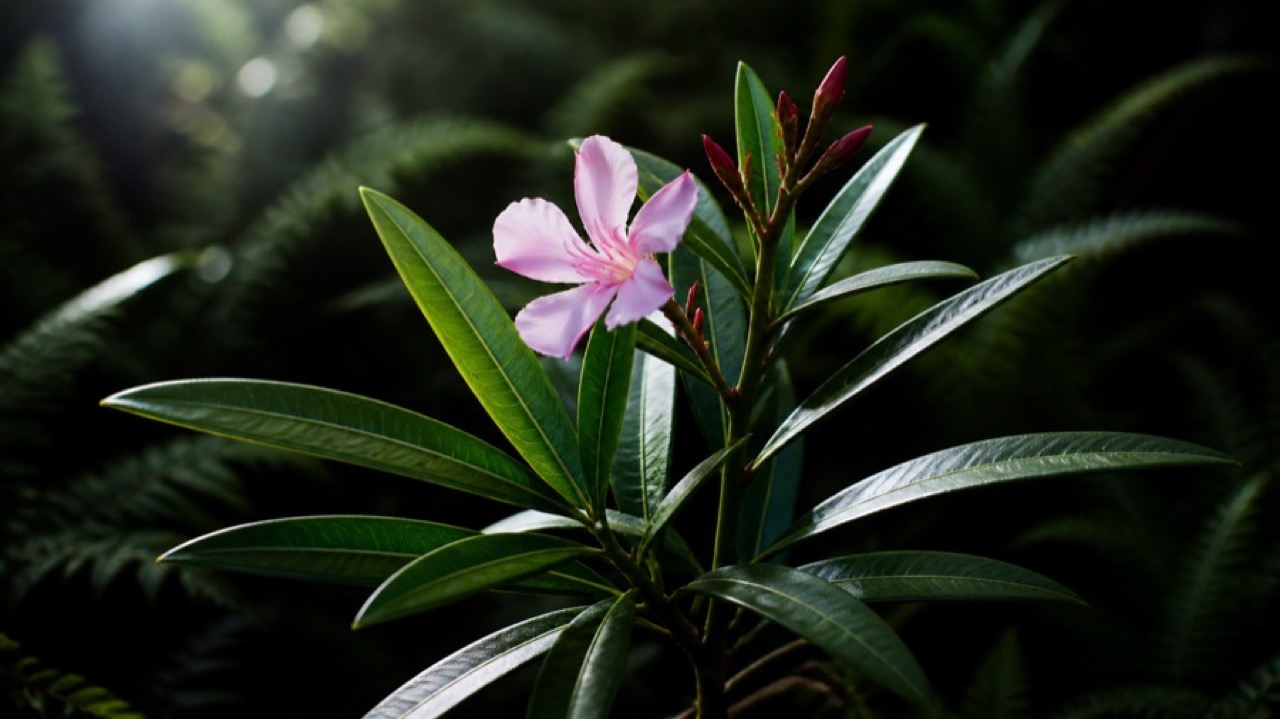
Can't name the plant? Then treat it as toxic to your cat until you can. Move it out of reach first; identify it second. Matching photos by eye is not a safe method, and the stakes are lopsided — the FDA warns that for true lilies, "the entire lily plant is toxic: the stem, leaves, flowers, pollen, and even the water in a vase," and ingestion can cause fatal kidney failure in cats within days. There is only one reliable path: identify the species, check its toxicity against a trusted source, and if the ID fails or stays uncertain, keep the toxic-by-default rule in place.
Why you're stuck on step zero, not the toxicity part
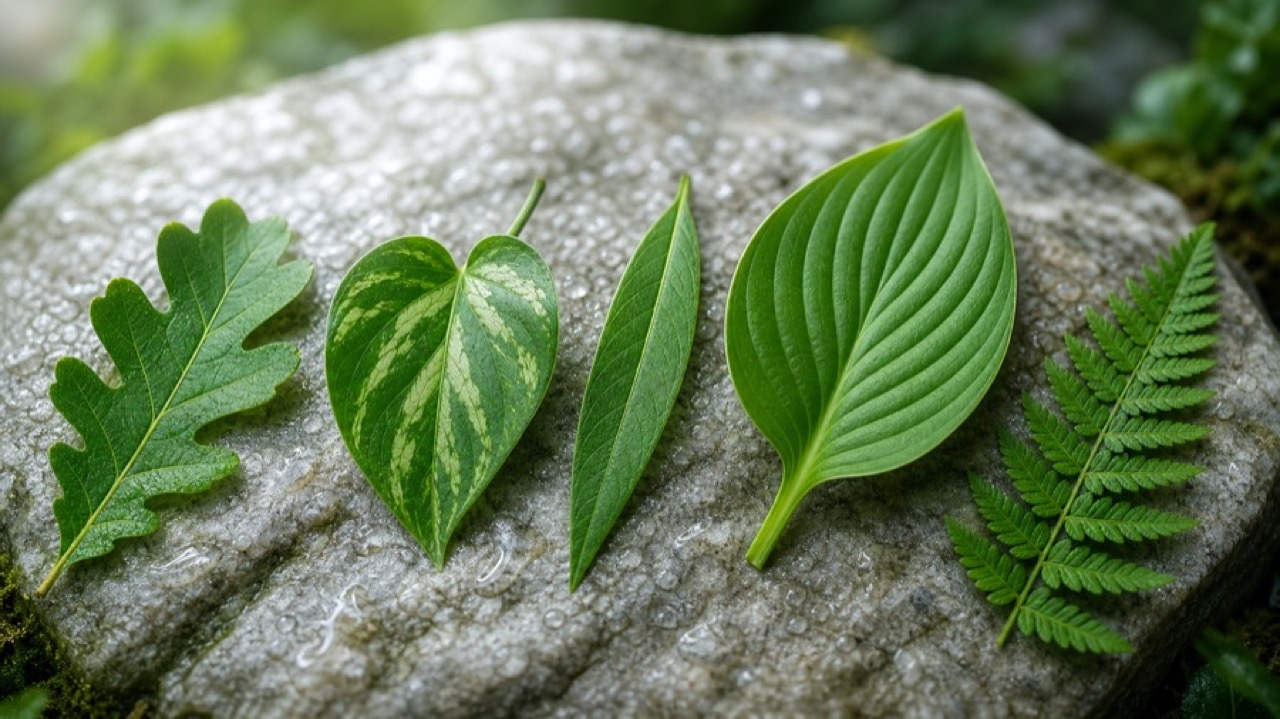
Search "plants poisonous to cats" and you get lists: 30 species, A to Z, with photos. Lists are useful — if you already know what your plant is called. Most people don't. It came from a supermarket labeled "tropical mix," or from a friend, or it was in the flat when you moved in. So the real blocker isn't toxicity knowledge; it's identification. Until "what is this plant?" has an answer, "is it safe for my cat?" can't have one. That reframing also explains why squinting at list photos keeps failing: many houseplants have near-identical look-alikes, and one wrong match can flip the answer from harmless to dangerous.
The three-step loop: identify, check, default to caution
Step 1 — pin down the species. Photograph the plant: one close shot of a leaf, one of the whole plant. In PlantLens, this returns candidate species with a confidence indicator, and when the match isn't strong enough it flags low confidence instead of forcing an answer. That honesty is the point, not a limitation: a low-confidence ID feeds straight back into the safety rule, because uncertain means you keep treating the plant as toxic. If one particular pot has been bothering you for weeks, photograph that one first and see what comes back, including how confident the match is.
Step 2 — check the species, not the vibe. With a name in hand, look it up in an authoritative source such as the ASPCA's toxic and non-toxic plant database, which covers plants "reported as having systemic effects on animals and/or intense effects on the gastrointestinal tract." Species entries are specific: the ASPCA's entry for Lilium lists the clinical sign for cats bluntly as "kidney failure." That is what a verified answer looks like — a named species matched to documented effects, not a hunch.
Step 3 — when the answer is "unknown," act as if it's "toxic." Low-confidence match, no match, or a species you can't find in any database: same response. Keep the plant where the cat genuinely can't get at it — a closed room, or out of the house — and ask a professional. The FDA specifically recommends bringing the plant itself, or a photo of it, to the veterinarian so the species can be confirmed. Notice the direction of that advice: even vets identify first, then judge.
How steep the downside can be: lilies
You don't need a 30-species list to see why the default matters; one genus is enough. The FDA is unambiguous: "Lilies in the 'true lily' and 'daylily' families are very dangerous for cats." Not just the leaves — the stem, the flowers, the pollen, even the water in the vase can be enough, and the outcome can be fatal kidney failure. Dogs, by contrast, typically get away with mild stomach upset from the same plants. Toxicity comes in grades and varies by animal, but your decision rule doesn't change with the grade — and you can't reason about any of it for a plant you haven't identified.
Two mistakes that feel reasonable and aren't
"It's not on the toxic list, so it's safe." A list is not a certificate of safety. The ASPCA database says its plant list "is not meant to be all-inclusive," only a compilation of the plants most often encountered. If you cannot confirm both the species and its status, keep it away from your cat and ask a veterinarian or poison-control professional. Absence from a non-exhaustive list is not proof of safety.
"It's only mildly toxic, so it's fine." The ASPCA notes that any plant material can trigger vomiting and gastrointestinal upset in pets. A plant doesn't have to reach the kidney-failure tier to be a bad housemate for a cat that chews. "Unsafe" starts well below "deadly" — a cat that vomits every week is not living with a safe plant.
If you think your cat already ate some
Don't wait to see whether symptoms develop. The FDA's instruction for lilies is the model for any suspect plant: "immediately call your veterinarian or a pet poison control center." Bring the plant or a clear photo — identification is the first thing the professionals will need too. For current hotline numbers, use the contact details published on the FDA and ASPCA pages linked above, not a number copied from an article that may have gone stale.
Tonight's checklist
Walk through your home and photograph every plant you can't confidently name. PlantLens returns a candidate species, a confidence indicator, and a pet-and-child safety flag for identified species; anything low-confidence or flagged goes out of the cat's reach until a vet or poison-control professional says otherwise. If your windowsill is full of pots, save them into your personal herbarium and work through them one by one. Two things to keep straight: an app's identification and safety flags are a screening step, not a veterinary diagnosis — and when in doubt, the plant moves, not the cat.
FAQ
What if the app can't identify my plant with high confidence?
Treat the plant as toxic until a person confirms otherwise. Retake photos in good light — one close-up of a leaf, one of the whole plant — and if confidence stays low, keep the pot out of your cat's reach and ask a veterinarian, bringing the plant or a photo as the FDA recommends. An unidentified or unlisted plant is not the same as a safe one.
My cat chewed a houseplant but seems fine. Do I still need to call a vet?
Yes — call your veterinarian or a pet poison control center right away instead of watching and waiting. The FDA's guidance for lilies is to call immediately on suspicion, because serious effects such as kidney failure in cats can develop over the following days. Bring the plant or a clear photo so the species can be confirmed quickly.
Can I just buy from a 'cat-safe plants' list and skip identification?
Lists help when you're buying new, labeled plants, but they can't tell you what the unlabeled pot already in your home is — identification still comes first. And per the ASPCA, any plant material can cause vomiting and gastrointestinal upset, so even a 'safe' plant your cat chews constantly belongs out of reach.