Is Philodendron (Heartleaf Philodendron) Toxic to Cats and Dogs? (Philodendron hederaceum)
Quick answer
Philodendron (Heartleaf Philodendron), Philodendron hederaceum: listed as toxic to cats and dogs (insoluble calcium oxalates). Signs, what to do, and how to confirm the species.
Updated 2026-09-25 · Sources: ASPCA Animal Poison Control, Merck Veterinary Manual, plants.ces.ncsu.edu, gardendesign.com
Found one? Take a photo to identify it.
Download on the App StoreWhat are the key facts?
- Scientific name: Philodendron hederaceum
- Also called: Cordatum, Sweetheart Plant
- Toxic to cats: Yes
- Toxic to dogs: Yes
- Toxic principle: Insoluble calcium oxalates
- Signs reported: Oral irritation, pain and swelling of mouth, tongue and lips, excessive drooling, vomiting (not horses), difficulty swallowing
Is Philodendron (Heartleaf Philodendron) toxic to cats and dogs?
ASPCA Animal Poison Control lists Philodendron (Heartleaf Philodendron) (Philodendron hederaceum) as toxic to cats and dogs. The toxic principle is Insoluble calcium oxalates. Signs reported: Oral irritation, pain and swelling of mouth, tongue and lips, excessive drooling, vomiting (not horses), difficulty swallowing.
Note on this entry
ASPCA maintains separate entries for different Philodendron varieties (Heartleaf, Split Leaf, Fiddle-Leaf, etc.). This entry uses Heartleaf Philodendron, the most common houseplant variety; the toxic principle and clinical signs are consistent across the other varieties.
What to do if your pet ate it
If a pet may have eaten a plant, contact a veterinarian, ASPCA Animal Poison Control (888) 426-4435 or Pet Poison Helpline (855) 764-7661. Note what was eaten, how much and when, and bring a photo or a piece of the plant. Do not induce vomiting or give home remedies unless a professional tells you to.
Plants people check next
Confirm it is really this plant
Toxicity lists are by species, and many houseplants look alike. Photograph the whole plant, a leaf close-up and any flower in even light; the app reads the species first, then you can check it here. If the species is uncertain, act as if it were toxic.
How to care for a philodendron plant
Heartleaf philodendron is one of the easiest houseplants to keep: medium, indirect light, soil kept slightly moist, and less water in winter. NC State says it prefers medium light but tolerates deep shade (under two hours of direct sun) and can survive for long periods in extremely low light. It likes medium humidity and moist soil and appreciates misting, but tolerates dry air. It climbs or trails on aerial roots that NC State says can grow to 4 feet or more, and the stems can reach 13 feet, so give it a pole or let it trail from a shelf.
Garden Design groups philodendron with its low-light plants, notes vines to about 8 feet, and suggests evenly moist soil and a water-soluble fertiliser from spring to fall.
Does philodendron need sun or shade?
Shade to bright indirect light, not direct sun. NC State lists deep shade to partial shade (two to six hours of direct sun) and medium light as its preference. In practice that means a spot a few feet from a window, or a room with no direct sun at all. Long gaps between leaves and small new leaves mean it wants a little more light.
Where is the best place to put a philodendron?
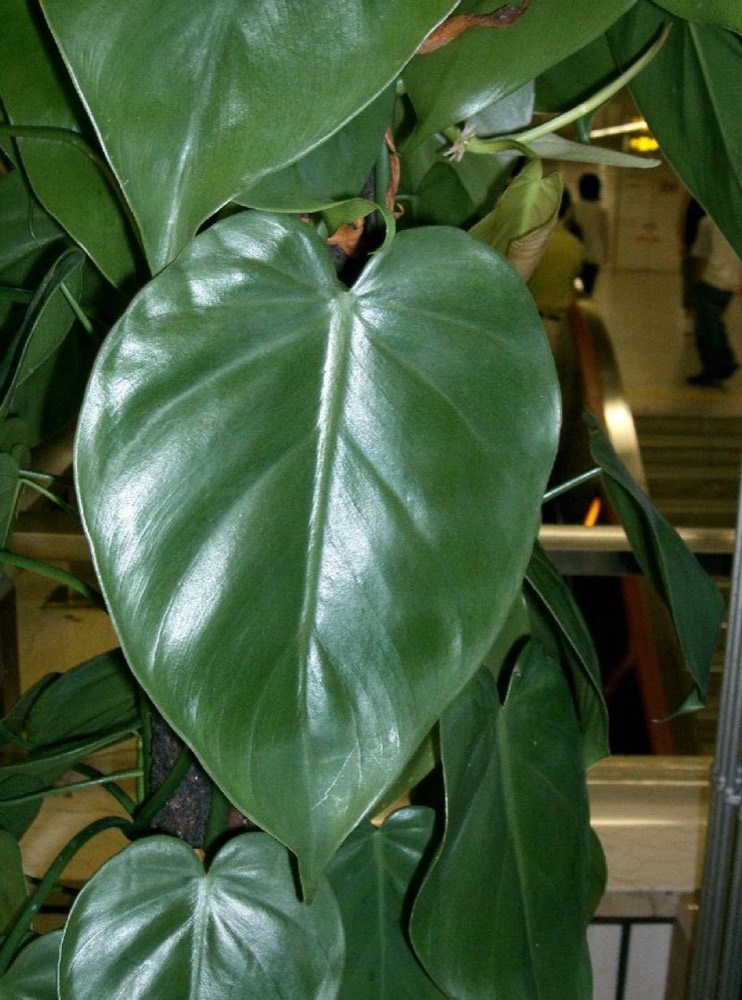
Out of reach of pets and small children, in medium indirect light, away from cold drafts. Because every part contains calcium oxalate crystals and NC State notes it can cause contact dermatitis, a high shelf or hanging pot where the vines cannot be chewed is the practical choice in a home with a cat or dog. If you are not sure the plant is a philodendron and not a pothos, check the leaf stalk: NC State says philodendron stalks are not grooved. See house plant identification.
About this update
This section was added on 2026-09-25. Research and drafting were done with the help of AI, and every figure was checked against the sources added to this page. If you find a mistake, tell us and we will correct it.
FAQ
Is Philodendron (Heartleaf Philodendron) safe for cats?
No. It is listed as toxic to cats; reported signs include oral irritation.
Is Philodendron (Heartleaf Philodendron) safe for dogs?
No. It is listed as toxic to dogs.
My pet only chewed a leaf. Should I still call?
Yes. Amount, size of the animal and the part eaten all matter, and the hotlines are staffed to judge that. Calling early is cheaper than waiting for signs.
Are philodendrons toxic to dogs?
Yes. The ASPCA lists heartleaf philodendron as toxic to dogs and cats (insoluble calcium oxalates): mouth pain and swelling, drooling, vomiting and trouble swallowing. Call your vet if a dog has chewed it.
Does philodendron need sun or shade?
Medium indirect light is best; NC State says it tolerates deep shade and survives long periods in very low light. Avoid direct sun.
How do you care for a philodendron plant?
Medium indirect light, soil kept slightly moist with less water in winter, medium humidity, and a support or shelf for the vines (NC State).
More in Plants Toxic to Cats and Dogs
- Pothos (Epipremnum aureum): Toxic to Cats and Dogs?
- Is Monstera (Swiss Cheese Plant) Toxic to Cats and Dogs? (Monstera deliciosa)
- Is Snake Plant Toxic to Cats and Dogs? (Sansevieria trifasciata)
- Is Peace Lily Toxic to Cats and Dogs? (Spathiphyllum)
- Aloe Plant and Cats: Is Aloe Vera Toxic to Cats and Dogs?
- Is Jade Plant Toxic to Cats and Dogs? (Crassula argentea)
- Is Rubber Plant Toxic to Cats and Dogs? (Ficus benjamina (ASPCA ))
- Is Fiddle Leaf Fig Toxic to Cats and Dogs? (Ficus lyrata)
- Dieffenbachia (Dumb Cane): Toxic to Pets and People
- Is Sago Palm Toxic to Cats and Dogs? (Cycas revoluta, Zamia species)
- Is Lily Toxic to Cats and Dogs? (Lilium spp. ( L. longiflorum, L. tigrinum); Hemerocallis spp.)
- Is Tulip Toxic to Cats and Dogs? (Tulipa spp.)
Related
See what's actually growing around you.
Start with a single scan.
Found one? Take a photo to identify it.
Sources
- ASPCA Animal Poison Controlwww.aspca.org/pet-care/aspca-poison-control/toxic-and-non-toxic-plants/heartleaf
- Merck Veterinary Manualwww.merckvetmanual.com/toxicology/poisonous-plants/houseplants-and-ornamentals-t
- plants.ces.ncsu.eduplants.ces.ncsu.edu/plants/philodendron-hederaceum/
- gardendesign.comwww.gardendesign.com/houseplants/best-indoor.html
Compiled by the PlantLens editorial team
Every fact on this page is taken from the sources listed above; numbers and prices are copied from the source, and prices name the guide or auction and its date. Research and drafting were assisted by AI, and each claim was then checked against the cited sources. Checked 2026-09-25. We do not buy, sell or grade items; the app identifies what you photograph and points you to these references.